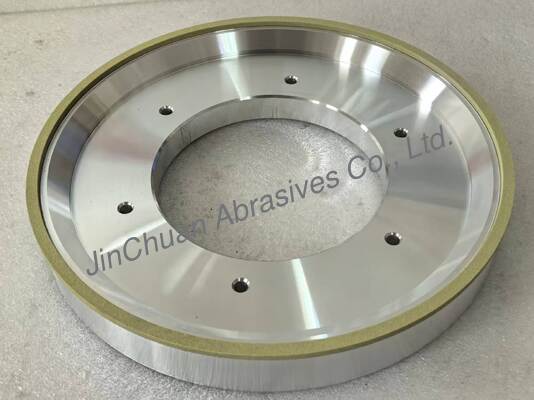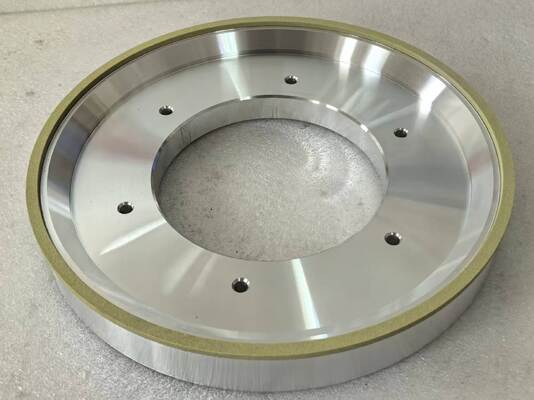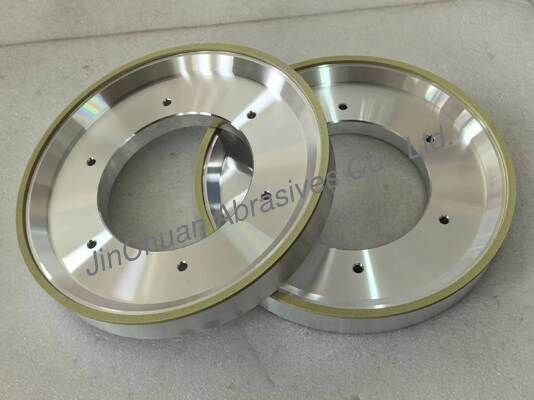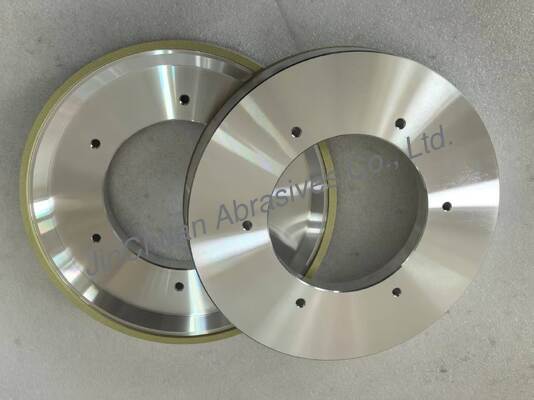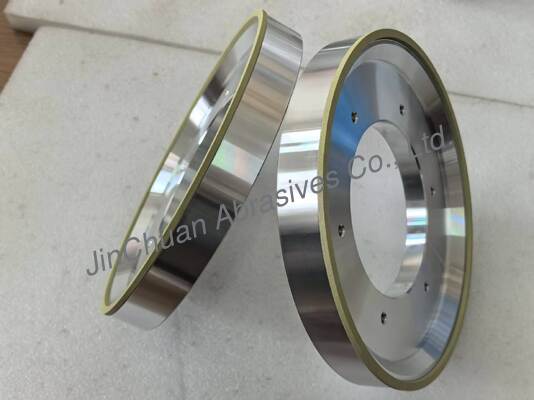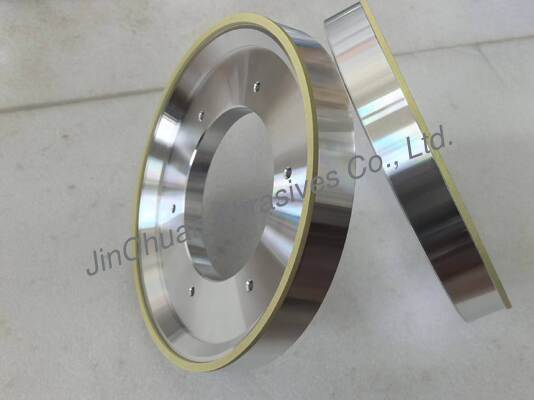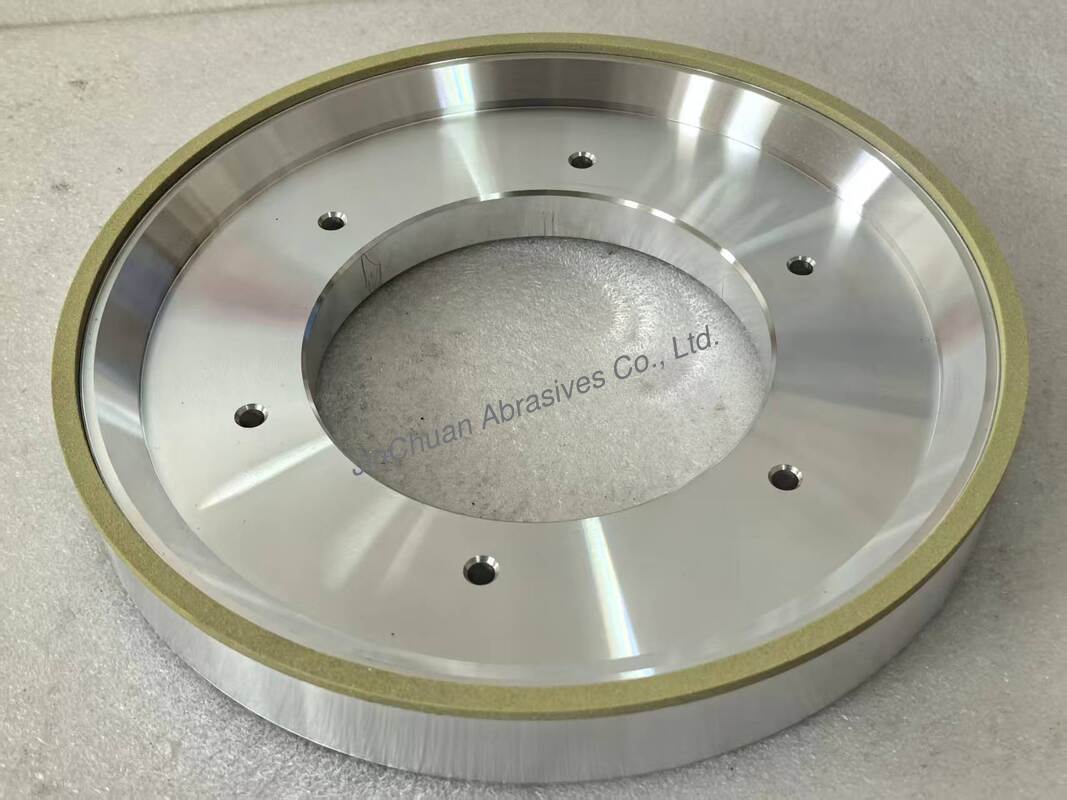
The woodworking and non-ferrous industries are shifting toward "long-life, maintenance-free" PCD tools. By adopting high-rigidity, high-heat-dissipation vitrified bond wheels in manufacturing, producers can eliminate edge fracture issues and provide end-users with superior performance consistency.
| Abrasives | Diamond |
| Grade | As Required |
| Diameter | 250mm |
| Base Body | Aluminum |
| Specification | 6A2 |
| Grit Size | D46,107 |
| Country Of Origin | Zhengzhou,Henan |
| Packing | Standard Exported Carton Packing |
| Hs Code | 6804221000 |
| Application | PCD |
PCD Tools for Woodworking & Non-Ferrous Metals: Maintaining Structural Integrity Under High Stresses
In woodworking and non-ferrous metal applications, PCD tools encounter unique physical challenges. Wood fibers are highly abrasive, while aluminum alloys tend to cause built-up edges and high thermal loads during high-speed machining.
To produce PCD tools capable of maintaining structural integrity, wheel selection must follow strict physical logic.
A. Bond Rigidity and Self-Sharpening
For PCD saw blades or routers used in HDF processing, high-strength Vitrified Bonds are recommended. The hardness of the vitrified bond ensures no radial run-out occurs during grinding, maintaining edge straightness within ±0.005mm.
B. Grit Size & Surface Finish
Roughing: Use D46 grit for efficient material removal while avoiding grain dislodgement caused by excessive grinding forces.
Finishing: Micron-grade wheels (W10 or W7) are essential. A surface finish of Ra 0.1 - 0.2μm significantly reduces frictional resistance and heat buildup during actual cutting.
In grinding PCD tools for non-ferrous machining, heat dissipation determines the tool's final lifespan. The unique feature of Vitrified Diamond Cup Wheels is their controlled porosity.
These micron-sized pores act as carriers for coolant, ensuring fluid is delivered directly to the contact arc. Within a working temperature range of 180°C - 220°C, controlled porosity prevents thermal annealing, ensuring the PCD maintains a hardness above 8000 HV.